

Undergoing facelift surgery can transform your appearance and restore a more youthful contour to your face. A successful facelift procedure involves not only skilled surgical techniques but also thoughtful post-operative care, especially when it comes to managing facelift scars. Proper scar care supports the healing process, minimizes the visibility of scars, and contributes to the best possible facelift results.
Whether you had a deep plane facelift or a short-scar facelift, understanding how your skin heals and what to do during each phase of recovery helps men and women in Cincinnati, OH achieve optimal outcomes.
Facelift Scar Insights You Should Know
- Facelift scars form along incision sites and may vary based on technique and individual healing.
- Early care influences the final appearance of scars more than later treatments.
- Keeping incision areas clean and protected helps reduce infection and poor healing risks.
- Sun exposure can darken scars and prolong visibility during the healing process.
- If you notice unusual symptoms, contact your facelift surgeon promptly.
Why Caring for Facelift Scars Matters
After a facelift, your body begins the healing process immediately. Facelift incisions are closed carefully during surgery to minimize visible scars. Still, without appropriate care during the early healing phases — including the inflammatory and proliferative phases of skin repair — the appearance of facelift scars can be more noticeable or even problematic. In Cincinnati, OH, men and women choose Dr. Donath for his meticulous surgical technique and attentive post-operative care, both of which support beautiful results and effective scar management.
Facelift scar care isn’t simply about cosmetics. Scar tissue that becomes raised, thickened, or inflamed can be uncomfortable and draw attention away from the natural beauty of your facial rejuvenation. Every facelift surgery has the potential for scarring, but how you support your skin during the healing process plays a significant role in how visible those scars remain over time.
Types of Facelift Scars: Where Are Facelift Scars Located?
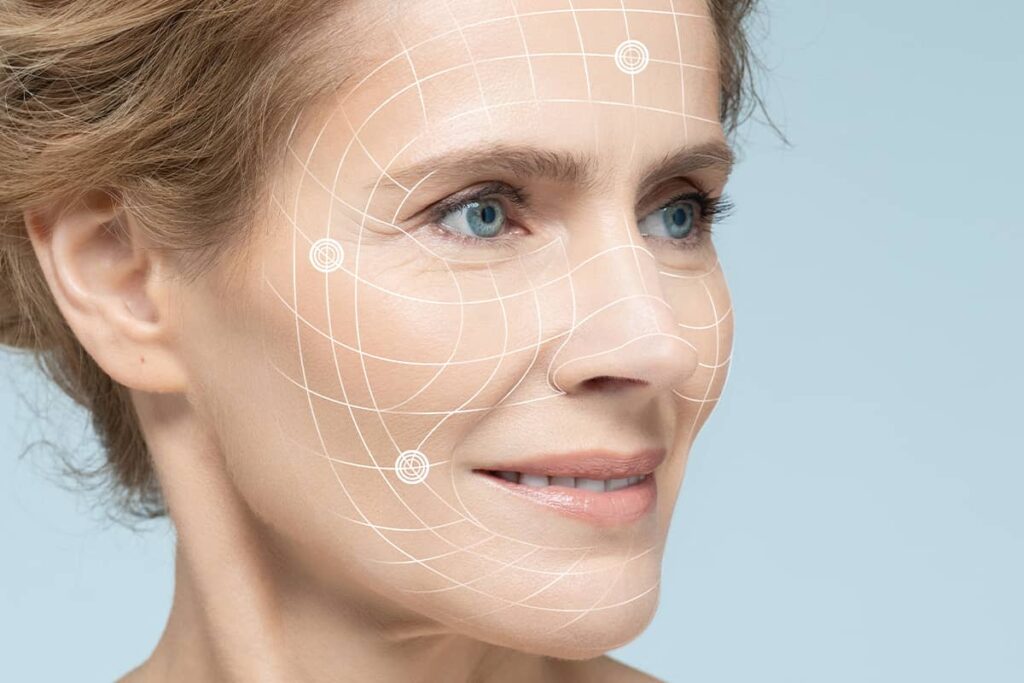
Facelift scars are typically positioned where the facelift incisions were made. Incisions vary by technique but are most often placed in discrete areas to conceal them within natural creases or hairlines. Common locations include:
- Along the temple and hairline
- Around the ear’s natural curves
- Behind the earlobe extending into the lower scalp
These strategic incision areas allow the facelift surgeon to lift and reposition underlying tissues while hiding scars in less noticeable areas of the face. The type of facelift you undergo — whether a traditional full facelift or a short scar technique — influences where your scars are and how extensive they may be.
How Long Do Facelift Scars Take to Heal?
Healing is a progressive process. Initially, your body works to close the incision and prevent infection. This early period generally spans the first week or two and is followed by the proliferative phase, during which new tissue forms and strengthens. Over weeks and months, scars continue to mature, flatten, and fade. While the most dramatic improvement occurs within the first three to six months, complete scar maturation can take up to a year or more.
Factors that influence healing time and the appearance of facelift scars include:
- Your skin type
- Age and overall health
- How well you follow post-operative care
- Sun exposure
- Smoking or other lifestyle factors that affect circulation
Understanding that scars evolve over time helps set realistic expectations and reminds you why consistent care matters during each stage.
Internationally Renowned
EXCELLENCE IN FACIAL COSMETIC SURGICAL

Essential Facelift Scar Care Tips During Healing
Keep Incisions Clean and Protected After Facelift Surgery
In the earliest days after surgery, proper cleansing and protection of facelift incisions are crucial. Your facelift surgeon will provide detailed instructions for washing the incision area. Generally, gentle cleaning with a mild solution and careful drying help reduce the risk of infection or irritation. Avoid harsh scrubbing or abrasive products.
Keeping the wound protected with prescribed dressings or supportive garments also guards against accidental trauma that could disrupt healing or worsen scar appearance.
Follow All Your Surgeon’s Aftercare Instructions Exactly
Your facelift specialist has tailored post-operative guidance specifically for your surgery and skin. These instructions include how often to clean the incisions, when to apply recommended topical treatments, and when to return for follow-up visits. Adhering to your surgeon’s plan helps your body progress through each healing phase smoothly and supports minimal scarring.
Skipping follow-ups or ignoring instructions can slow healing or increase the chances of complications such as infection, separation of the incision, or hypertrophic scarring.

Protect Scars From Sun Exposure
Sun exposure significantly affects how facelift scars mature and appear. Ultraviolet (UV) rays can darken scar tissue and prolong the visibility of scars. In the early months of healing, your skin is especially sensitive. Use a broad-spectrum sunscreen with an appropriate SPF on the incision area when outdoors. When possible, wear a wide-brimmed hat to shade your face.
Protective measures are essential not only during summer but year-round. Even light daily sun can contribute to pigmentation changes that make scars more noticeable.
Use Recommended Topical Treatments Wisely
Your facelift surgeon may suggest specific topical treatments to support scar management. These can include silicone gel sheeting or doctor-formulated scar creams designed to maintain hydration and support the proliferative phase of healing.
Avoid over-the-counter products that are not recommended by your surgeon, especially in the early post-operative period. Some ingredients may irritate sensitive healing skin or disrupt the delicate process of tissue repair.
Stay Hydrated and Nourish Your Skin
Healthy skin heals more effectively. Drinking enough water and maintaining a balanced diet rich in vitamins and minerals supports skin health during facelift recovery. Focus on nutrients that contribute to tissue repair, such as vitamin C, which plays a role in collagen formation.
While diet alone won’t prevent all scarring, good nutrition complements surgical precision and aftercare to help your skin look its best as it heals.
Before & After Photos
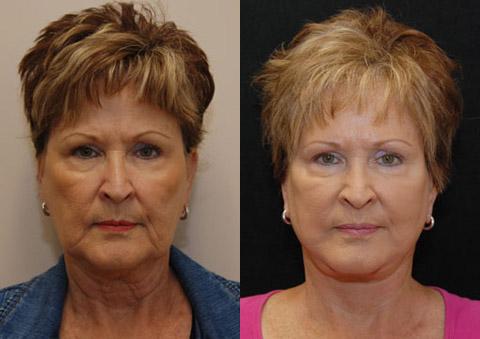
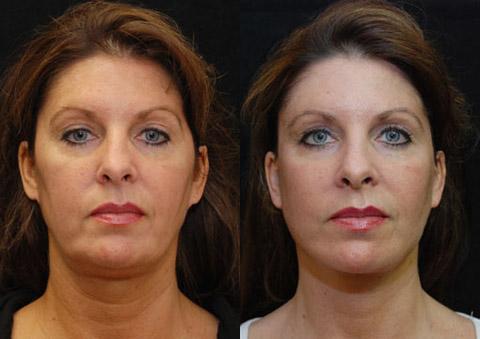
Each patient is unique and individual results may vary*.
What to Avoid While Facelift Scars Are Healing
During the healing process after facial plastic surgery, there are several things patients should avoid to support proper scar healing, including:
- Avoid smoking or exposure to secondhand smoke, which can impair circulation and slow healing.
- Steer clear of strenuous activities that strain the incision site or cause excessive stretching of the skin.
- Don’t apply makeup or other cosmetic products on or near incision areas until your surgeon approves.
- Avoid prolonged sun exposure without proper protection.
These precautions help minimize irritation, inflammation, or delayed healing that could affect the appearance of your facelift scars.
Common Mistakes Patients Make During Facelift Scar Healing
Even well-intentioned patients can make errors that compromise scar outcomes. Some common mistakes include:
- Interrupting aftercare early because the incision looks “healed.”
- Using non-recommended creams or home remedies that irritate sensitive skin.
- Neglecting sun protection, especially during outdoor activities.
- Forgetting follow-up appointments that monitor healing and allow timely adjustments to care.
Awareness of these common mistakes and staying committed to the healing process increases the likelihood of minimal scarring and more satisfying facelift results.
When Should You Contact Your Facial Plastic Surgeon?
While some changes in the appearance of facelift scars are expected, certain signs warrant prompt attention from your surgeon. Prompt communication is important for normal healing and even more so if you’re worried about signs of a botched facelift, such as delayed healing or abnormal scarring. Contact your provider if you notice:
- Increasing redness, warmth, or discharge from the incision area
- Fever or other signs of infection
- Scars that thicken rapidly or become raised and painful
- Separation or opening of the incision line
Your facelift surgeon is your best resource during healing — don’t hesitate to reach out with any concerns.
Long-Term Facelift Success Starts With Proper Healing
Caring for facelift scars during healing is a combination of patient diligence, professional guidance, and time. With clean incision care, sun protection, adherence to your surgeon’s instructions, and patience through the healing phases, many men and women achieve minimal visible scarring and satisfying facelift results. Dr. Donath and his team are available to support you throughout this journey to ensure the best possible outcome for your facelift procedure and scar management.
Schedule a Consultation With Dr. Alexander S. Donath
If you’re considering facelift surgery or already navigating the healing process, personalized support from an experienced facelift specialist matters. In Cincinnati, OH, Dr. Donath provides careful guidance from your initial consultation through the healing of facelift scars. His approach to facelift surgery, meticulous surgical technique, and thoughtful post-operative care aim to deliver natural-looking results with minimal scarring.
Reach out to schedule a consultation to learn more about how facelift surgery can address your goals and how tailored scar management supports lasting satisfaction with your facelift results.