

Seeing stories online about a “botched facelift” can be unsettling, especially for patients who are considering facial plastic surgery or who are still healing after a recent procedure. Facelift surgery is designed to restore balance, address excess skin, and refresh facial contours—but not every outcome looks the same, and not every disappointing result is truly a surgical failure. Understanding the difference between a genuinely botched facelift and normal variations in healing or technique can help patients set realistic expectations and make informed decisions.
At Donath Facial Plastic Surgery, facelift procedures are approached with a strong emphasis on anatomy, restraint, and long-term facial harmony. Under the care of Dr. Alexander S. Donath, patients receive individualized planning focused on natural-looking results rather than dramatic or overcorrected changes. Knowing what separates expected outcomes from poor facelift results is an important part of the consultation process.

When Facelift Results Raise Red Flags: What Patients Should Know
- Not every early concern means a facelift is botched.
- Healing timelines can make results look uneven at first.
- True complications usually involve structural or technical issues.
- Revision surgery is possible in many cases, but timing matters.
- Choosing an experienced facial plastic surgeon lowers risk significantly.
What Is Considered a “Botched” Facelift in Plastic Surgery?
The term “botched facelift” is often used loosely, but medically it refers to outcomes that fall outside the normal range of healing or aesthetic variation. A botched facelift may involve visible deformities, distorted facial features, or functional problems that do not improve over time. These outcomes are different from temporary swelling, bruising, or tightness that commonly occur during recovery.
In plastic surgery, a poor facelift outcome may result from issues such as improper surgical technique, excessive skin tension, poor incision placement, or inadequate understanding of facial anatomy. True surgical complications can include nerve damage, excessive scarring, or an unnatural, pulled appearance.
Signs Patients Commonly Associate With a Botched Facelift
Patients often worry about a bad facelift surgery when they notice changes that feel alarming or unexpected. Some of these concerns are valid, while others may simply reflect early healing.

Signs that may indicate a problem include:
- Facial contours that look overly tight or distorted.
- Visible scarring or prominent facelift scars that worsen rather than improve.
- Asymmetry that persists well beyond the expected recovery period.
- An unnatural “windblown” or stretched appearance.
- Ongoing numbness or weakness suggesting nerve involvement.
It is important to remember that swelling, firmness, and unevenness are common during early recovery. These alone do not mean the facelift procedure was unsuccessful.
What Do Expected Facelift Results Look Like?
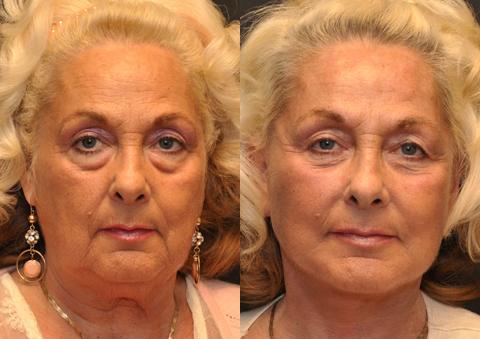
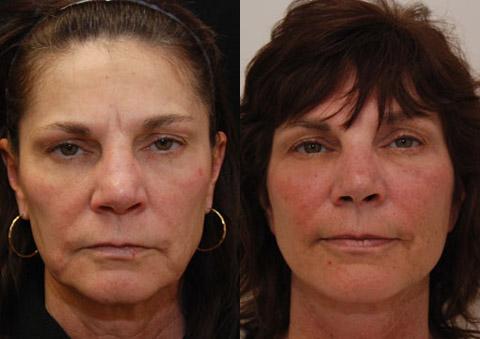
Expected facelift results are subtle and balanced. Rather than changing the face, a well-performed surgical facelift restores more youthful contours while preserving natural facial features. The cheeks and jawline appear smoother, excess skin is reduced, and the neck often looks more defined.
Good facelift results should not draw attention to the surgery itself. Friends and family may comment that a patient looks refreshed or well-rested, without immediately recognizing that a cosmetic surgery was performed. This understated outcome is often the goal of modern facial plastic surgery.
Internationally Renowned
EXCELLENCE IN FACIAL COSMETIC SURGICAL
Facelift Recovery: How Long It Takes to See Final Facelift Results
Facelift recovery is a gradual process. While initial improvements are visible within weeks, final results can take several months to fully emerge. Swelling may resolve unevenly, and tissues continue to soften and settle over time.
Judging results too early is one of the most common reasons patients believe their facelift has gone wrong. Most surgeons recommend waiting several months before assessing whether concerns are related to healing or true complications.
What Causes a Facelift to Look Botched?
Surgical Technique and Facial Surgeon Experience
One of the most significant factors influencing facelift outcomes is surgical skill. Facelift surgery requires precise handling of skin, facial muscles, and deeper structures. Inexperienced or poorly trained surgeons may rely on excessive skin tightening rather than proper structural support, increasing the risk of unnatural results.
An experienced facial plastic surgeon understands how to lift and reposition tissues in a way that respects facial anatomy and minimizes tension on the skin.

Overcorrection and Outdated Facelift Methods
Overcorrection is another common cause of poor facelift outcomes. Older facelift techniques often focused on pulling skin tight, which can distort facial features and lead to a “stretched” appearance. Modern approaches emphasize repositioning underlying tissues rather than aggressive tightening.
Outdated methods may also increase the likelihood of visible scarring and long-term complications.
Is It Too Early to Judge Your Facelift Results?
Many patients seek a second opinion because they are unhappy shortly after surgery. In many cases, it is simply too early to determine the final outcome. Swelling, bruising, and firmness can mask improvements and create temporary asymmetry.
A careful evaluation helps determine whether concerns are part of normal healing or signs of a problem that may require intervention. Patience during recovery is often essential.
Before & After Photos
Each patient is unique and individual results may vary*.
Can a Botched Facelift Be Corrected With Facelift Revision Surgery?
In many cases, yes. Facelift revision surgery can address issues such as excess scarring, distorted contours, or residual skin laxity. However, revision surgery is typically more complex than a primary facelift and requires careful planning.
Timing is critical. Performing corrective surgery too early can interfere with healing, while waiting too long may allow scar tissue to mature. A consultation with an experienced surgeon helps determine the appropriate course of action.
Why Early Evaluation Matters More Than You Think
Seeking professional guidance early can prevent small issues from becoming larger problems. Even if revision surgery is not immediately recommended, monitoring healing and setting expectations can provide reassurance and clarity.
Patients who are concerned about poor facelift outcomes are encouraged to seek a second opinion rather than relying on online comparisons or assumptions.
How Dr. Donath Approaches Natural-Looking Facelift Results
Dr. Donath’s approach to facelift surgery emphasizes balance, proportion, and facial harmony. Rather than overcorrecting, he focuses on restoring youthful contours while maintaining each patient’s unique features. Careful incision placement, attention to facial muscles, and individualized planning help reduce the risk of complications and revision.
This philosophy extends to both full facelift and mini facelift procedures, with treatment plans tailored to the degree of aging and patient goals.
Schedule a Personalized Facelift Consultation in Cincinnati, OH
Patients considering facelift surgery—or those concerned about previous results—are encouraged to schedule a consultation at Donath Facial Plastic Surgery. A personalized evaluation allows patients to discuss concerns, understand realistic outcomes, and explore revision options when appropriate.
Choosing the right surgeon and setting clear expectations are key steps toward achieving satisfying, natural-looking results.