

A facelift is one of the most transformative procedures in facial plastic surgery — but not every facelift delivers the results patients hoped for. Whether due to the natural progression of aging, complications from a previous facelift, or results that simply missed the mark, some patients find themselves considering revision facelift surgery years after their initial procedure.
A revision facelift, also called a secondary facelift, is a surgical procedure designed to address problems that developed after a primary facelift or to restore results that have faded over time. It is more complex than a first facelift, requiring a surgeon with deep experience in facial anatomy and the unique challenges that scar tissue and altered tissue planes present.
Understanding the signs that revision surgery may be appropriate is an important first step for patients who are unhappy with their current results.
Five Things to Know About Revision Facelift Surgery
- A revision facelift addresses complications, unnatural results, or aging that has progressed since a previous facelift procedure.
- Some signs — like a pulled appearance or visible scarring — indicate surgical complications that an experienced facelift surgeon may be able to improve.
- Revision surgery is more technically demanding than a primary facelift and requires a specialist with extensive experience.
- Most surgeons recommend waiting at least one year after the initial facelift before pursuing revision surgery.
- A thorough consultation is essential to understand what revision can realistically achieve for each individual patient.
How Do You Know If Your Facelift Results Aren’t Normal?
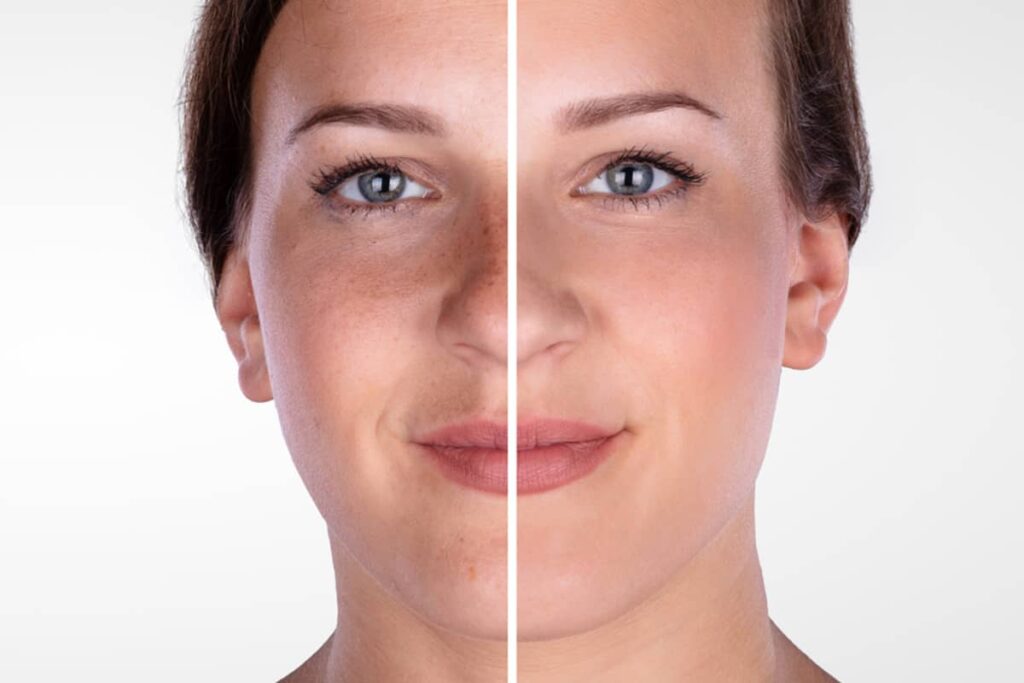
Some degree of swelling, tightness, and temporary asymmetry is expected after any facelift surgery. These are normal parts of the healing process and typically resolve within weeks to months. What is not normal is a result that looks overtly surgical, leaves the face appearing distorted, or causes ongoing physical discomfort long after recovery should be complete.
Patients should give their results adequate time to fully mature — final outcomes from a facelift are generally visible after several months, not weeks. If concerns persist well beyond that point, it may be worth consulting a surgeon who specializes in revision work.
Common Reasons Patients Seek Revision Facelift Surgery
1. The Results Look Pulled or Unnatural
One of the most recognizable signs of a facelift that did not go as planned is a windswept, overly tight, or “done” appearance. This typically occurs when a facelift relies primarily on skin tension rather than properly repositioning the deeper structural layers of the face. Skin-only facelifts may produce short-lived results and visible distortion because the skin was never designed to bear the tension of a lift — the deeper tissues should do that work. Patients with this outcome may feel their face looks unnatural at rest or exaggerated when smiling.
2. Persistent Sagging or Loose Skin
Some patients undergo a facelift and find that sagging in the jowls, lower face, or neck returns sooner than expected — sometimes within a year or two of the initial procedure. This can occur when the deeper structural layers were not adequately addressed during the primary surgery, leaving the results without durable support. A revision facelift that incorporates deeper tissue techniques, such as a deep plane facelift, may produce longer-lasting improvement.
Before & After Photos
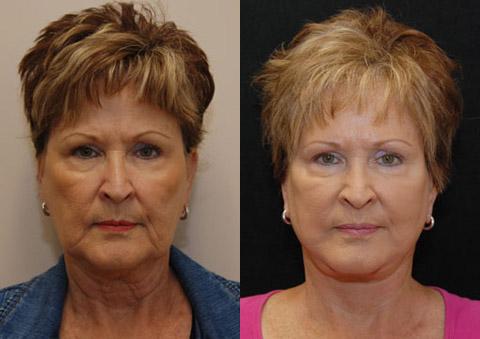
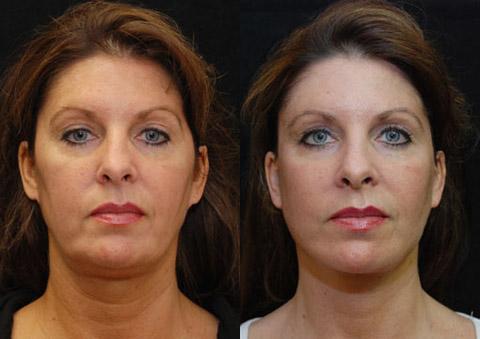
Each patient is unique and individual results may vary*.
3. Noticeable Facial Asymmetry
While no face is perfectly symmetrical, a significant difference between the two sides after facelift surgery — in terms of skin tension, tissue position, or overall contour — is a sign that the procedure may not have been executed evenly. Asymmetry can also develop over time as tissues settle unevenly during healing. Revision surgery can help restore better facial balance.
4. Visible or Poorly Placed Scarring
Facelift incisions are designed to be well-hidden within the hairline and the natural contours around the ears. When incisions are placed improperly, closed under excessive tension, or heal poorly, the resulting scars may be visible, widened, or thickened. Scar tissue from a previous facelift also complicates subsequent surgery, which is one reason revision work requires a more experienced hand. Careful planning and technique during revision can improve previous scars while minimizing new ones.
5. Pixie Ear Deformity

The pixie ear deformity is a specific complication that occurs when excess skin tension pulls on the earlobe following a facelift, causing it to appear stretched, elongated, or tethered to the cheek. It results from improper tissue handling during the primary procedure and is one of the more recognizable signs that something went wrong. Revision surgery can release the tension and reposition the earlobe for a more natural appearance.
6. Cobra Neck Deformity or Unnatural Neck Contour
The cobra neck deformity refers to a hollowed depression beneath the chin that results from overly aggressive fat removal during a previous neck or facelift procedure. This creates an unnatural indentation in the submental region that can be difficult to address. Fat grafting and careful surgical revision are typically used to restore volume and improve neck contour in affected patients.
7. Results That Have Faded With Natural Aging
Not every patient seeking a secondary facelift had a problematic first surgery. Natural aging continues after any facelift procedure, and for some patients — particularly those whose initial facelift was performed many years ago — the results have simply run their course. A revision facelift in this context is less about correcting a problem and more about refreshing results that have gradually diminished over time.
Internationally Renowned
EXCELLENCE IN FACIAL COSMETIC SURGICAL
Can a Bad Facelift Be Fixed? What Revision Surgery Can Address
In many cases, yes — the complications and unnatural results left behind by a previous facelift can be meaningfully improved with revision surgery. Depending on the specific concern, revision facelift procedures can address:
- Skin tension and a pulled appearance by releasing and re-draping tissues properly
- Residual sagging in the face and neck through deeper structural repositioning
- Pixie ear deformity and other distortions around the ears
- Visible or widened scars from the initial facelift incisions
- Cobra neck deformity and unnatural neck contour through fat grafting or surgical correction
- Asymmetry and uneven results
It is important to have realistic expectations. Revision surgery is more complex than primary surgery — scar tissue from the initial facelift alters the tissue planes, limits flexibility, and can affect blood supply to the skin. An experienced facelift surgeon will assess these factors carefully before recommending a course of action.
Why Revision Facelift Surgery Requires an Experienced Facelift Surgeon
Revision facelift surgery is considered among the most demanding procedures in facial plastic surgery. The presence of scar tissue from a previous facelift changes the anatomy significantly — tissues are denser, planes are less defined, and the margin for error is narrower. Risks and complications are generally higher in secondary procedures than in primary ones.
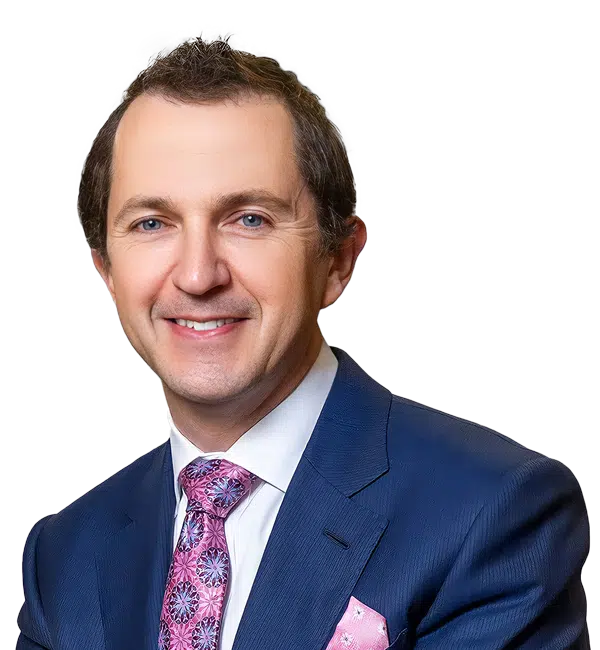
For these reasons, patients seeking a revision should look specifically for a surgeon with extensive experience in secondary facelifts — not simply a surgeon who performs facelifts in general. Dr. Alexander S. Donath is a double board-certified facial plastic surgeon whose practice is devoted exclusively to the face, head, and neck. His experience with complex facial rejuvenation and deep plane techniques positions him to evaluate and address the full range of concerns that revision facelift patients bring to a consultation.
When Is the Right Time to Consider Revision Surgery?
Timing matters significantly in revision facelift surgery. Most surgeons advise waiting a minimum of one year after the initial facelift before pursuing any revision procedure. This allows the scar tissue to fully mature, residual swelling to resolve completely, and final results to stabilize. Attempting revision surgery too soon increases the risk of complications and makes it harder to assess what actually needs to be corrected.
Patients who are concerned about their initial facelift results should document their concerns over time, attend follow-up appointments with their original surgeon when possible, and seek a second opinion from an experienced facelift surgeon once sufficient healing time has passed.
What to Expect During a Revision Facelift Consultation
A revision facelift consultation is often more involved than a first-time facelift consultation because the surgeon must evaluate not only the patient’s current anatomy and aging concerns but also the outcomes — and limitations — of the previous surgery.
During a consultation with Dr. Donath, patients can expect:
- A thorough review of their surgical history, including prior procedures and any complications
- A careful physical examination of the face, neck, skin quality, and scar tissue
- An honest discussion of what revision surgery can and cannot realistically achieve
- An overview of the recommended surgical approach, anesthesia, recovery time, and associated costs
The goal of the consultation is to give patients a clear, complete picture of their options so they can make an informed decision about moving forward.
Schedule Your Revision Facelift Consultation With Dr. Alexander S. Donath
If you are unhappy with the results of a previous facelift and are considering revision surgery, the first step is a personal consultation with an experienced surgeon. Dr. Donath serves patients in Cincinnati, OH and welcomes those who have traveled from outside the area seeking revision facelift expertise.
Contact Donath Facial Plastic Surgery in Cincinnati, OH to schedule your consultation today.