

Home / About Our Office / Family in Medicine
Dr. Donath is proud to be a 6th generation physician, with over 20 family members who have preceded him in setting a standard for excellence in medicine. Those whom he has known have influenced him directly and profoundly; the careers and character compositions of those who passed before Dr. Donath was born were recounted by the others and provide further strength to Dr. Donath’s sense of duty to his patients and the practice of medicine.




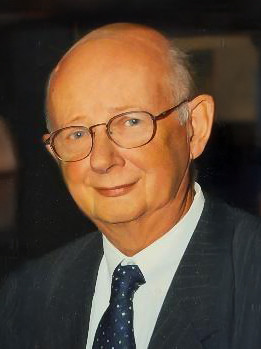
Husband of Karen Donath, RN, father of Alexander Donath, MD, Amy (Donath) Haney, RN, and Nathan Donath, RN. Son of Dr. Ferdinand Donath and Mrs. Anna (Schnitzler) Donath.
Born in Vienna, Rudolf Donath emigrated with his family to Cincinnati where his father, a cardiologist, would work at University Hospital, the Jewish Hospital, and in private practice. Rudolf was an internist with a subspecialty in infectious disease, having spent part of his training at the Centers for Disease Control (CDC) in Atlanta.
Dr. Rudolf Donath practiced medicine for over 50 years in Cincinnati. His wife Karen (VonHandorf) Donath was a Registered Nurse for over 30 years in Cincinnati as well.
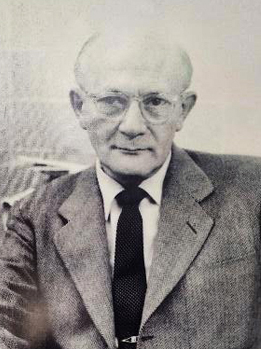
Dr. Ferdinand Donath was a physician in Vienna, Austria, where he was a heart specialist in the Herzstation Wien (Heart Clinic of Vienna) until he emigrated with his wife, Anna (Schnitzler) Donath, and children to Cincinnati in 1938 to escape religious persecution and the holocaust.
He was then on the medical staff at both University Hospital and the Jewish Hospital. Ferdinand was instrumental in creating the heart lung institute at Jewish Hospital.
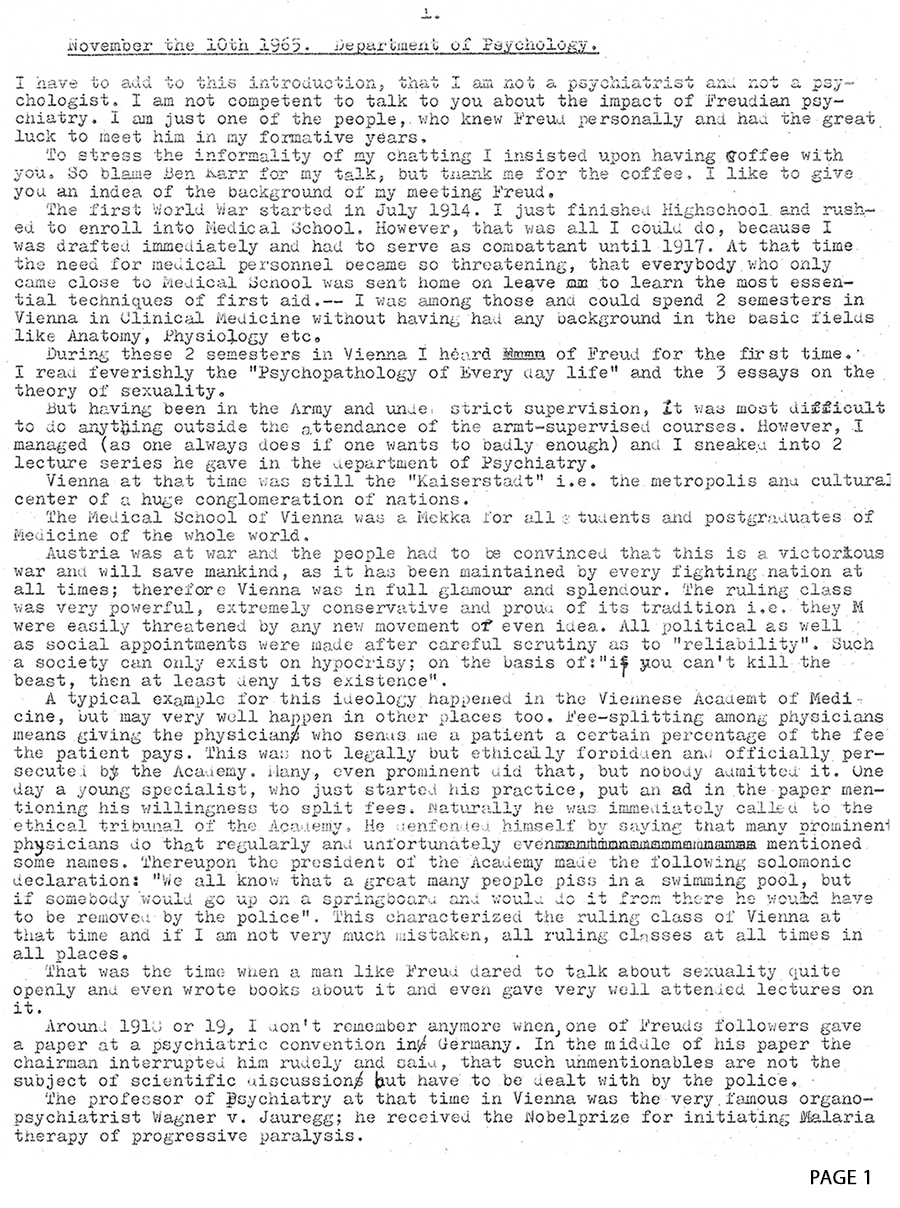
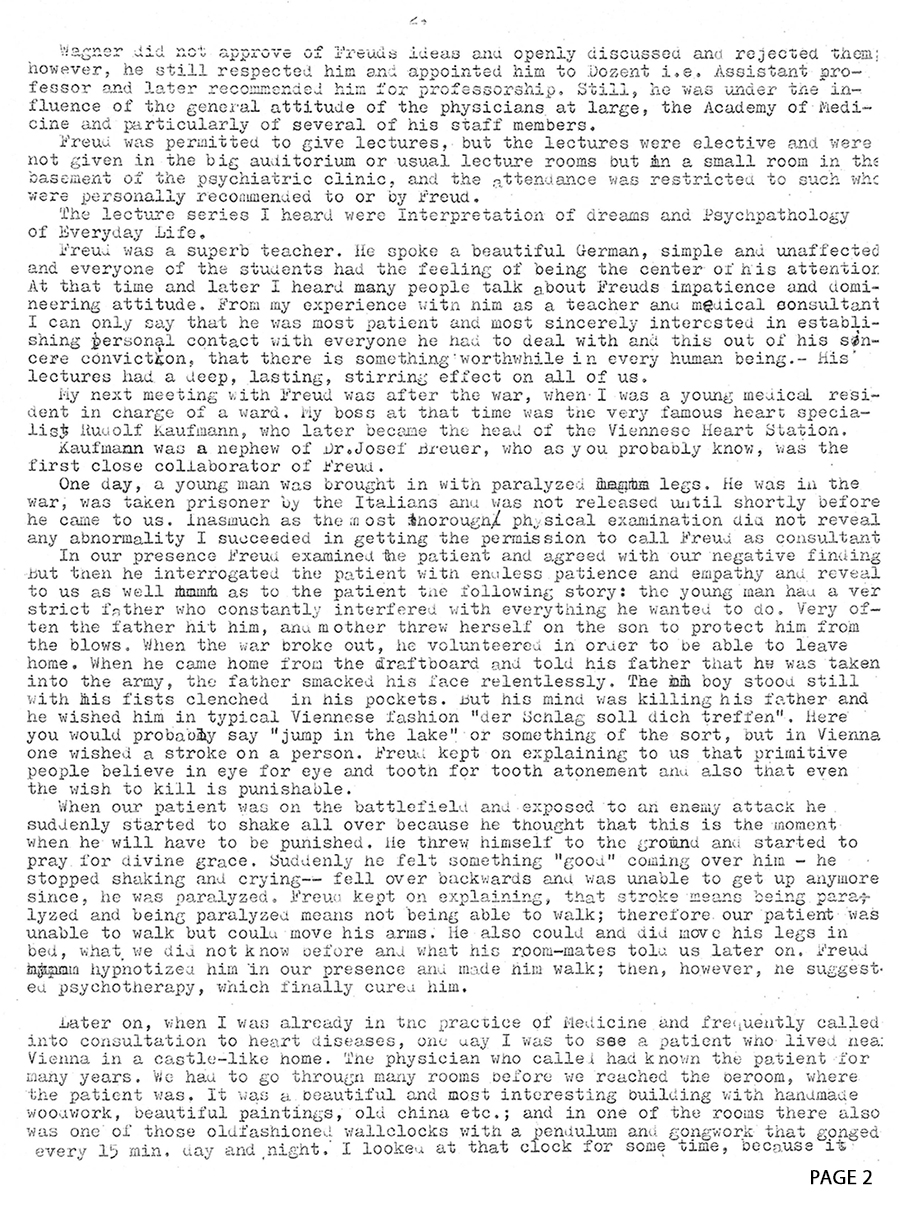
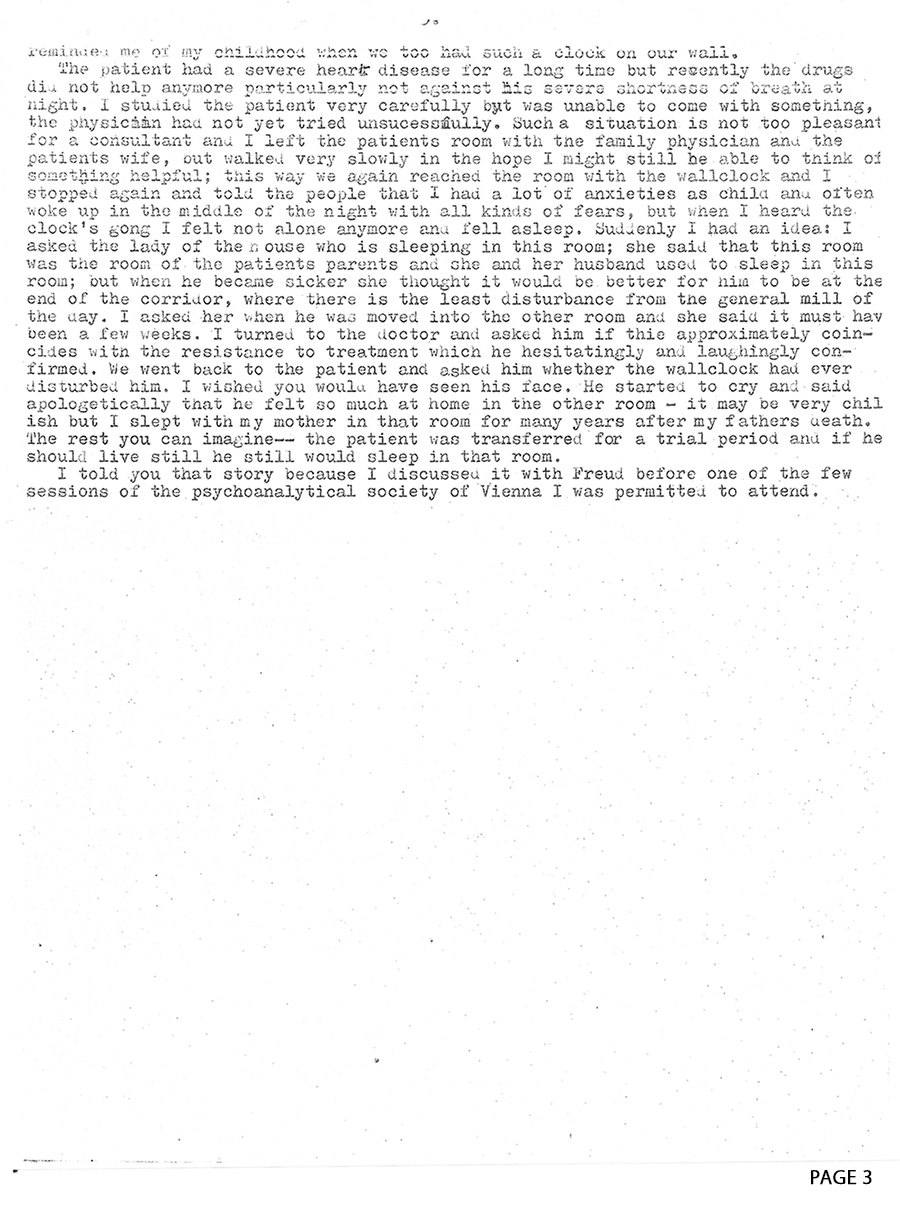
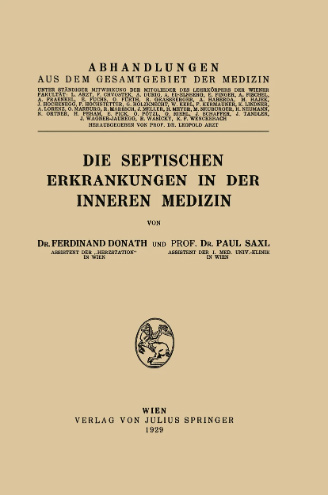
Dr. Ferdinand Donath had the honor of meeting and consulting with Sigmund Freud while in Vienna, the details of which he recounted during a presentation to the University of Cincinnati Department of Psychology, the text of which is linked below. He also co-authored the text Septic Diseases in Internal Medicine, also linked below.
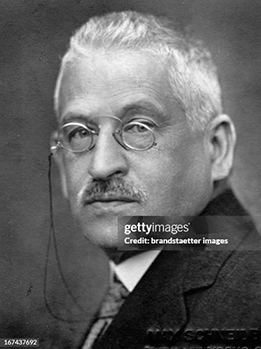
Julius Schnitzler (born July 13, 1865, in Vienna, † June 29, 1939) was an Austrian physician and university professor.
Julius Schnitzler was born the son of the physician Johann Schnitzler. He is a younger brother of Arthur Schnitzler. In 1888 Schnitzler received his doctorate as a physician at the University of Vienna. Like his father, he was also at the General Polyclinic, where in 1895 and 1896 he was the head of the surgical department. He then moved to primary hospital for surgery at the kk hospital Wieden.
Schnitzler published in detail, especially on surgical issues. He was habilitated in 1895 and appointed associate professor in 1908. In April 1934 he was retired. Julius Schnitzler was married to Helene, born Altmann (1871-1941). The common son Hans Schnitzler (1895-1967) was also a surgeon.

Son of Julius Schnitzler; Hans was also a surgeon.
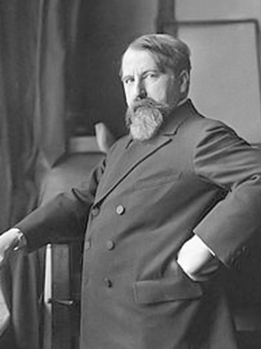
Arthur Schnitzler (15 May 1862 – 21 October 1931) was an Austrian author and dramatist. He was a laryngologist (voice/larynx specialist) like his father Johann, until he left medicine to pursue his literary career, for which he has been honored by the Austrian government with a postage stamp in his name (see below).
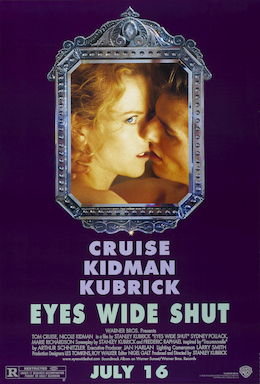
One of his plays was adapted to the Hollywood film Eyes Wide Shut, starring Tom Cruise and Nicole Kidman, and directed by Stanley Kubrick.
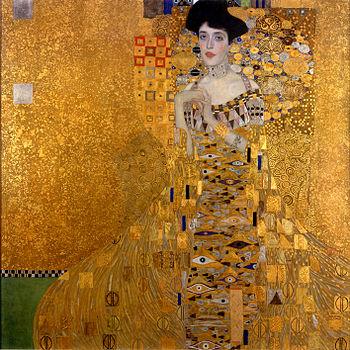
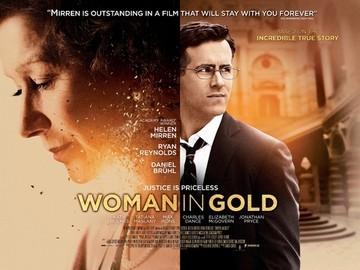
Dr. Arthur Schnitzler was also a contemporary of Sigmund Freud (see letters below), and Adele Bloch-Bauer, the subject of the Gustav Klimt painting Portrait of Adele Bloch-Bauer I, which is the subject of the Hollywood film Woman in Gold, starring Ryan Reynolds and Helen Mirren.
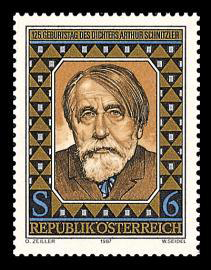
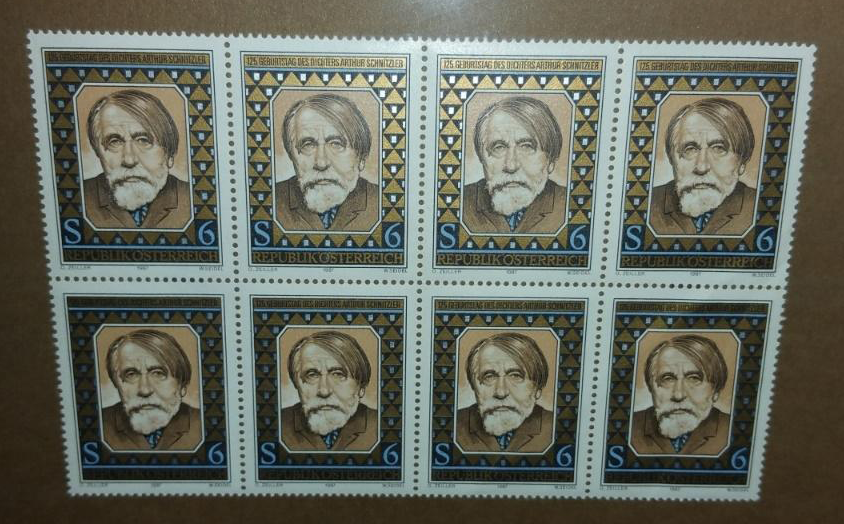
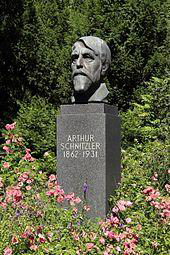
Arthur Schnitzler was born in Vienna, capital of the Austrian Empire (as of 1867, part of the dual monarchy of Austria-Hungary). He was the son of a prominent Hungarian laryngologist, Johann Schnitzler (1835–1893), and Luise Markbreiter (1838–1911), a daughter of the Viennese doctor Philipp Markbreiter. His parents were both from Jewish families. [2] In 1879 Schnitzler began studying medicine at the University of Vienna and in 1885 he received his doctorate of medicine. He began work at Vienna’s General Hospital (German: Allgemeines Krankenhaus der Stadt Wien), but ultimately left the practice of medicine in favour of writing.
Schnitzler’s works were often controversial, both for their frank description of sexuality (in a letter to Schnitzler Sigmund Freud confessed “I have gained the impression that you have learned through intuition – although actually as a result of sensitive introspection – everything that I have had to unearth by laborious work on other persons”—excerpt below)[4] and for their strong stand against anti-Semitism, represented by works such as his play Professor Bernhardi and his novel Der Weg ins Freie. However, although Schnitzler was himself Jewish, Professor Bernhardi and Fräulein Else are among the few clearly identified Jewish protagonists in his work.
A letter from Sigmund Freud to Arthur Schnitzler, on the occasion of Schnitzler’s 70th birthday. From the archives of the Leo Baeck Institute:
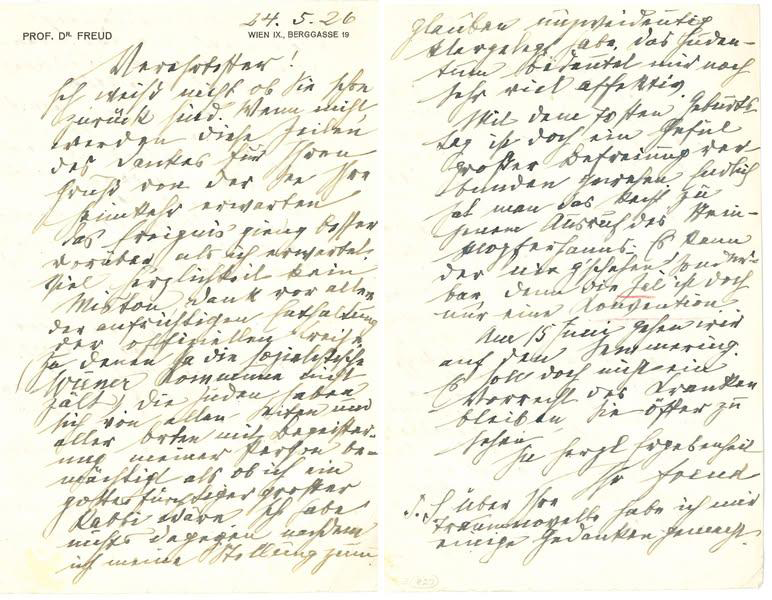
Letter from Sigmund Freud to Arthur Schnitzler, May 14, 1922
Sigmund Freud
Vienna IX, Berggasse 19
May 14, 1922
Dear Dr. Schnitzler
Now you too have reached your sixtieth birthday, while I, six years older, am approaching the limit of life and may soon expect to see the end of the fifth act of this rather incomprehensible and not always amusing comedy.
Had I retained a remnant of belief in the “omnipotence of thoughts,” I would not hesitate today to send you the warmest and heartiest good wishes for the years that await you. I shall leave this foolish gesture to the vast number of your contemporaries who will remember you on May 15. But I will make a confession which for my sake I must ask you to keep to yourself and share with neither friends nor strangers. I have tormented myself with the question why in all these years I have never attempted to make your acquaintance and to have a talk with you (ignoring the possibility, of course, that you might not have welcomed my overture).
The answer contains the confession which strikes me as too intimate. I think I have avoided you from a kind of reluctance to meet my double. Not that I am easily inclined to identify myself with another, or that I mean to overlook the difference in talent that separates me from you, but whenever I get deeply absorbed in your beautiful creations I invariably seem to find beneath their poetic surface the very presuppositions, interests, and conclusions which I know to be my own. Your determinism as well as your skepticism-what people call pessimism-your preoccupation with the truths of the unconscious and of the instinctual drives in man, your dissection of the cultural conventions of our society, the dwelling of your thoughts on the polarity of love and death; all this moves me with an uncanny feeling of familiarity. (In a small book entitled Beyond the Pleasure Principle, published in 1920, I tried to reveal Eros and the death instinct as the motivating powers whose interplay dominates all the riddles of life.)
Letter from Sigmund Freud to Arthur Schnitzler, May 8, 1906
Sigmund Freud
Vienna IX, Berggasse 19
May 8, 1906
Dear Dr. Schnitzler
For many years I have been conscious of the far-reaching conformity existing between your opinions and mine on many psychological and erotic problems; and recently I even found the courage expressly to emphasize this conformity (“Fragment of an Analysis of a Case of Hysteria,” 1905). I have often asked myself in astonishment how you came by this or that piece of secret knowledge which I had acquired by a painstaking investigation of the subject, and I finally came to the point of envying the author whom hitherto I had admired.
Now you may imagine how pleased and elated I felt on reading that you too have derived inspiration from my writings. I am almost sorry to think that I had to reach the age of fifty before hearing something so flattering.
Yours in admiration
Dr.
Rhapsody – also published as Dream Story (Traumnovelle – 1925/26), later adapted as the film Eyes Wide Shut by American director Stanley Kubrick, starring Tom Cruise and Nicole Kidman.
Arthur Schnitzler was also a regular guest at the salon of Adele Bloch-Bauer, a patron of the arts known for being the subject of the famous Gustav Klimt painting Portrait of Adele Bloch-Bauer I, better known as Woman in Gold, also the name of the Hollywood film about the painting’s ownership.
From Wikipedia:
Adele Bloch-Bauer, a wealthy patron of the arts who served as the model for some of Klimt’s best-known paintings and who hosted a Viennese salon that regularly attracted the most prominent artists of the day, including Gustav Mahler, Richard Strauss, Arthur Schnitzler, Johannes Brahms, Franz Werfel, Alma Mahler, Leo Slezak, Otto Wagner, George Minne, Karl Renner, Julius Tandler, and Klimt.
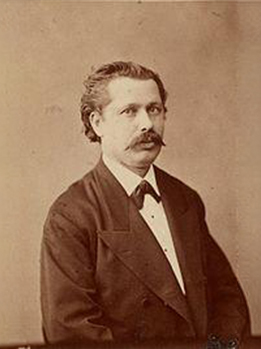
Johann Schnitzler (10 April 1835 – 2 May 1893) was an Austrian laryngologist and professor. He was the father of Arthur Schnitzler. The son of a carpenter, Johann was a native of Nagykanizsa in Hungary (then part of the Austrian Empire). He studied medicine at the universities of Budapest and Vienna, where in 1860 he earned his medical doctorate and from 1863 to 1867 worked as an assistant to Johann von Oppolzer (1808–1871). He habilitated for percussion, auscultation and illnesses of respiratory organs in 1864. Schnitzler was among the founders of the Vienna General Policlinic in 1872 and became head of its laryngological department. In 1880 he was appointed associate professor of laryngology at the University of Vienna, and in 1884 became medical director of the policlinic. Schnitzler is credited with coining the term “spastic dysphonia” for a vocal disorder known today as spasmodic dysphonia (SD), and ironically, now treated with Botox, which Dr. Alexander Donath routinely administers for aesthetic purposes.
Johann Schnitzler, son of a carpenter, was a native of Nagykanizsa in Hungary (then part of the Austrian Empire). He studied medicine at the universities of Budapest and Vienna, where in 1860 he earned his medical doctorate and from 1863 to 1867 worked as an assistant to Johann von Oppolzer (1808–1871). He habilitated for percussion, auscultation and illnesses of respiratory organs in 1864. Schnitzler was among the founders of the Vienna General Policlinic in 1872 and became head of its laryngological department. In 1880 he was appointed associate professor of laryngology at the University of Vienna, and in 1884 became medical director of the policlinic.
He married Louise Markbreiter (1838–1911), daughter of the renowned Viennese doctor Philipp Markbreiter, and they had four children: the doctor and playwright Arthur Schnitzler (1862–1931); Joseph Emil, who died shortly after his birth in 1864; Julius Schnitzler (1865–1939), who also was a surgeon and professor; and Gisela (1867–1953). Gisela would marry Markus Hajek, MD (1861–1941), also a laryngologist.
Schnitzler was a pioneer of modern laryngology, the author of numerous works and specialist articles on diseases of the throat and larynx. His best known written work was Klinischer Atlas der Laryngologie (“Clinical Atlas of Laryngology”), which was published posthumously in 1895. In 1860, with Philipp Markbreiter (1810–1892), he founded the Wiener Medizinische Presse, a publication of which he remained as editor until 1886. His reputation as laryngologist made him a sought after physician in theatre circles; likewise his son Arthur cared for celebrated actors like Adolf von Sonnenthal and Charlotte Wolter, and numerous singers of the Viennese Court Opera.
Johann Schnitzler died in Vienna aged 58 and was buried in the Zentralfriedhof cemetery. His son Arthur perpetuated parts of his life in the 1912 drama Professor Bernhardi.
Schnitzler is credited with coining the term “spastic dysphonia” for a vocal disorder known today as spasmodic dysphonia (SD)[1] , and ironically, now treated with Botox, which Dr. Alexander Donath routinely administers for aesthetic purposes.
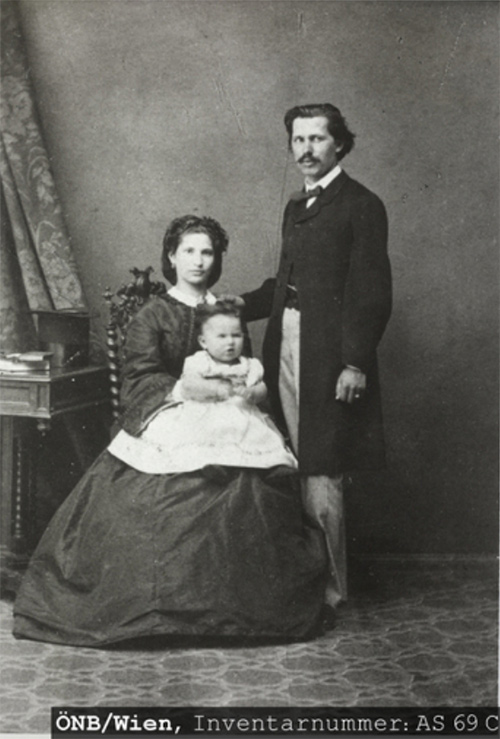
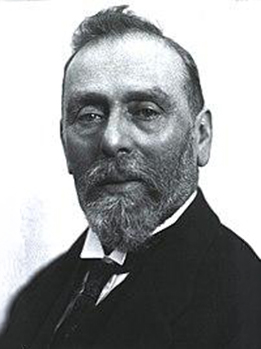
Markusz Hajek was born in Banat, which from 1867 belonged to the Hungarian half of the Austro-Hungarian Empire. He attended high school in Temesvár and studied medicine at the University of Vienna, where he received his doctorate in 1885. He received his education at the Rudolfstiftung Hospital and at the General Polyclinic under Johann Schnitzler. In 1889, Hajek married Gisela Schnitzler (1867–1953), the daughter of his academic teacher and sister of Arthur Schnitzler.
Hajek qualified as a professor in laryngology in 1897 and became a private lecturer, as well as professor of laryngology at the University of Vienna. In 1899, he published the Pathology and Therapy of Inflammatory Diseases of the Sinuses and Nose. In doing so, Hajek laid the foundation for the development of endonasal surgery.
From 1900 to 1918, he was head of department at the Kaiser Franz Joseph Outpatient Clinic in Vienna. In 1912 he was appointed associate professor, and in 1919 full professor. As successor to Ottokar von Chiari, he headed the Laryngorhinological University Clinic at the General Hospital (AKH) until his retirement in 1933.
In 1923, Sigmund Freud had Hajek operate on his newly discovered palate cancer.
Hajek was made an honorary citizen of the city of Vienna in early 1932. He received a commemorative publication in 1921 and 1931.
Hajek made fundamental contributions to anatomic, pathological, and clinical subjects in rhinolaryngology. He developed a systematic and scientific approach in the diagnosis and therapy of sinus ailments based on anatomical and pathological studies. He conducted studies on tuberculosis of the upper respiratory tract. He devised many practical instruments, suggested a new method of operation on frontal sinusitis, and improved the technique of extralaryngeal operations for cancer of the larynx. Hajek and his wife managed to escape to Great Britain In May 1939, when the Nazis annexed Austria. He had to leave behind his possessions, including the books in his extensive library. Some of these books bear dedications from colleagues, testifying to a personal donation. Among his publications are Pathologie und Therapie der entzuendlichen Erkrankungen der Nebenhoehlen der Nase (1899) which was translated into English in 1926, and Syphilis of the Oral Cavity, Pharynx and Nasopharyngeal Cavity (1928).
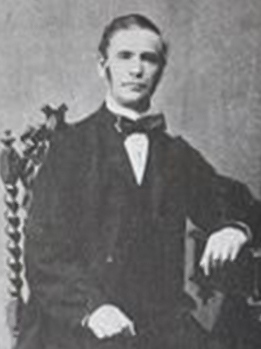
Viennese physician, founder and editor of Wiener Medizinishe Presse (Viennese Medical Press) along with his son-in-law Johann Schnitzler, MD.
Cousin of Rudolf Donath; son of Karl Schnitzler. 2nd cousin, once removed, of Dr. Alexander Donath. Urologist in Sydney, Australia until his passing in 1993.
Cousin of Rudolf Donath; sister of George Schnitzler. 2nd cousin, once removed, of Dr. Alexander Donath. Internist in Sydney, Australia.
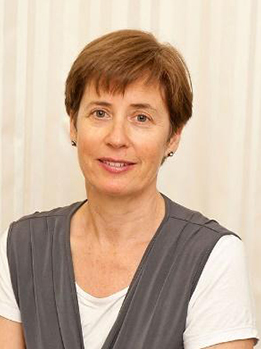
Daughter of George Schnitzler. 2nd cousin of Dr. Alexander Donath. Colorectal Surgeon in Sydney, Australia, and Deputy Head of Sydney Medical School.
https://northernsydneycolorectal.com.au /our-doctors/dr-margaret-schnitzler
https://profiles.sydney.edu.au/ margaret.schnitzler
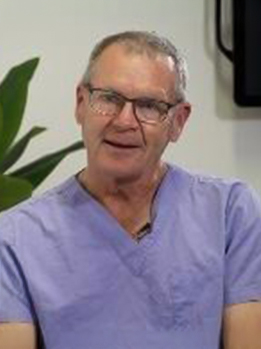
Husband of Margaret Schnitzler. Cardiothoracic surgeon in Sydney, Australia.

Son of George Schnitzler. 2nd cousin of Dr. Alexander Donath. Internist in Sydney, Australia.
https://www.lindfieldmedicalpractice.com/ dr-paul-schnitzler
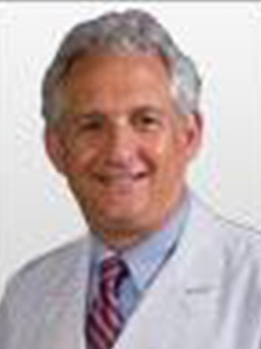
Grandson of Anni (Schnitzler) Donath. Cousin of Dr. Alexander Donath. Colorectal Surgeon in Rochester, New York. Pioneer in robotic surgery for colorectal disease.
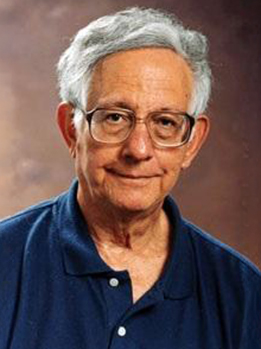
Son-in-law of Anni (Schnitzler) Donath. Uncle of Dr. Alexander Donath. Pioneer in Adolescent Medicine at Cincinnati Children’s Hospital.
Dr. Rauh helped found the Joseph L. Rauh Chair of Adolescent Medicine at Cincinnati Children’s Hospital, the #1 Children’s Hospital in the United States.
The chair honors Joseph (Jerry) M. Rauh, MD, who established the field of Adolescent Medicine at Cincinnati Children’s, and his aunt, Louise W. Rauh, MD, a pioneer for women in pediatrics and founder of the first pediatric cardiac care program in Cincinnati.
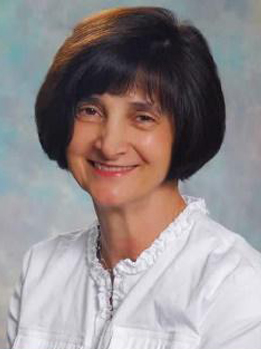
Cousin of Dr. Alexander Donath. Internist in Indianapolis, Indiana.
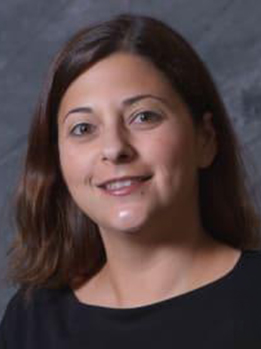
Cousin of Dr. Alexander Donath. Obstetrician/gynecologist in Indianapolis, Indiana
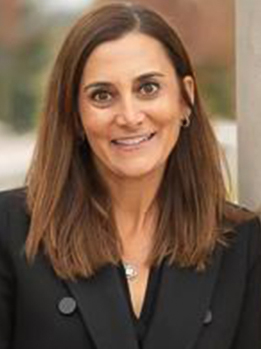
Cousin of Dr. Alexander Donath. Pediatrician in Indianapolis, Indiana, and Executive Director of the Kindling Minds in Indianapolis.
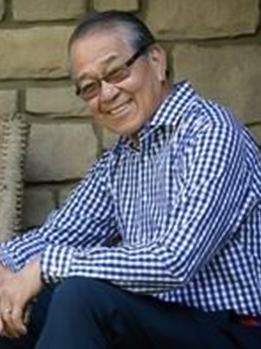
Father-in-law of Dr. Alexander Donath. Otolaryngologist/Head and Neck Surgeon for over 40 years, pioneer of endoscopic sinus surgery in the Greater Cincinnati area, in part with techniques acquired, coincidentally, in Austria.
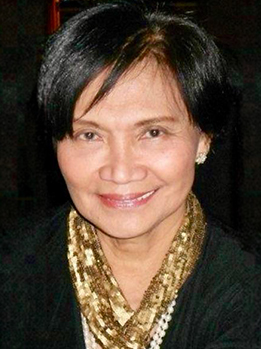
Mother-in-law of Dr. Alexander Donath. Psychiatrist for over 40 years in Greater Cincinnati.