

Acne scars are frustrating for a simple reason: you did everything right, you treated the breakouts, you were patient, and the marks stayed anyway. A study published in the Journal of Drugs in Dermatology found that 43% of patients seeing a dermatologist for acne had visible scarring, and nearly 70% of those patients had only mild or moderate acne. Scarring isn’t reserved for the worst cases. It happens to a lot of people, regardless of how serious the acne was.
Microdermabrasion for acne scars is one of the more accessible options for improving skin texture and reducing the appearance of certain types of scarring. It’s not the right tool for every scar, but for the right patient, it can make a real difference and it fits easily into a broader skin care plan.
What You Should Know First
- Microdermabrasion works by removing the outermost layer of dead skin cells through mechanical exfoliation, which can improve texture and tone over time.
- It works best on surface-level acne marks and mild atrophic scars, not on deep pitted or rolling scars, which require more intensive treatment.
- Most patients need a series of treatments to see meaningful results; a single session is unlikely to produce significant change.
- The procedure involves no downtime for most people, making it easy to fit into a regular routine.
- More aggressive acne scar treatments like laser resurfacing or microneedling may be needed when scarring is deeper or more pronounced.
How Microdermabrasion Works
Microdermabrasion is a non-invasive procedure that removes the outer layer of dead skin cells through controlled physical exfoliation. The treatment is performed in the office using a device that sprays fine crystals onto the skin and then vacuums them away along with dead skin cells. This accomplishes controlled mechanical exfoliation that prompts the skin to regenerate.
The exfoliation process also stimulates collagen production over time, which is part of why a series of treatments tends to produce better results than a single session. As fresh skin cells replace the ones that have been removed, skin texture gradually improves and discoloration can fade. It is gentler than dermabrasion and far less aggressive than laser treatments. That’s both its strength and its limitation, depending on what kind of scarring is being addressed.
What Results Can You Expect from Microdermabrasion for Acne Scars?
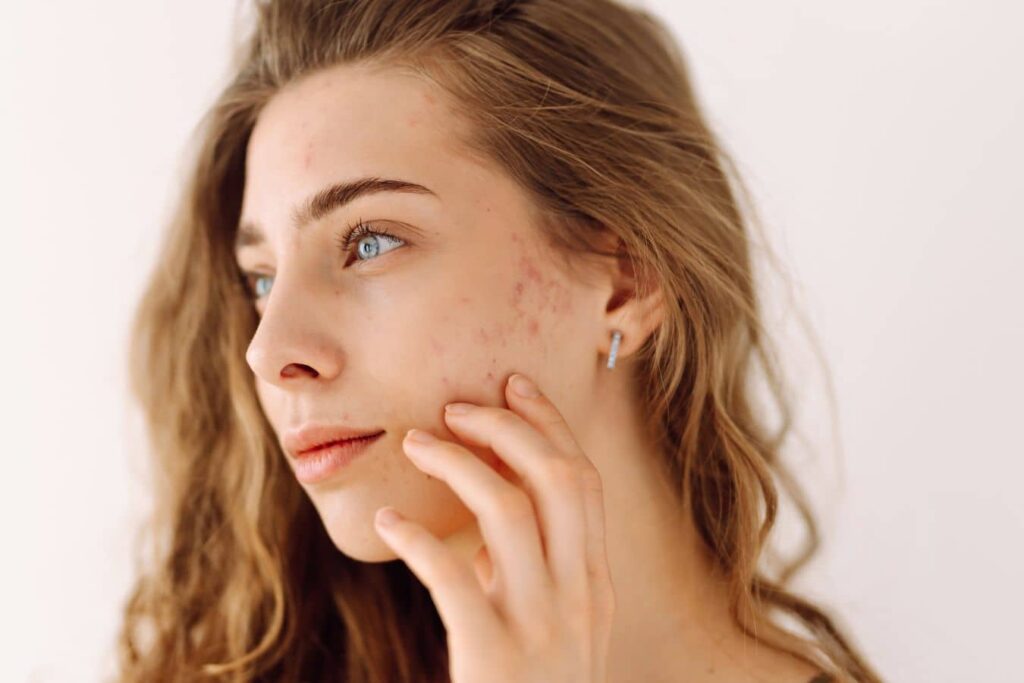
The type of scar matters a lot. Microdermabrasion tends to work well on:
- Post-inflammatory hyperpigmentation — the flat dark marks left behind after a pimple heals
- Mild atrophic scars with shallow surface texture irregularities
- General uneven skin tone and discoloration related to past breakouts
Where it falls short is with deeper structural damage. The following scar types usually need treatments that work below the skin’s surface:
- Rolling scars, boxcar scars, and icepick scars
- Raised or hypertrophic scars
- Any scarring that involves significant changes to the skin’s underlying structure
The Benefits of Microdermabrasion for Acne-Prone Skin
Beyond scar improvement, microdermabrasion has some practical advantages that make it a reasonable option for patients with acne-prone skin. Because it clears away dead skin cells and debris from the surface, it can improve how well skincare products penetrate, which matters when you’re managing breakouts with topical treatments.
It also has a good safety profile for most skin types. Unlike some chemical exfoliants or harsh exfoliants, professional microdermabrasion is gentle enough to be used on sensitive skin when performed correctly. Skin tone, texture, and radiance often improve with regular treatments even when the scars themselves don’t disappear entirely.
One thing to note: microdermabrasion is not recommended during active acne flare-ups. Working on inflamed or irritated skin can worsen breakouts and cause further irritation. Timing matters.
Internationally Renowned
EXCELLENCE IN FACIAL COSMETIC SURGICAL
What to Expect During a Microdermabrasion Treatment
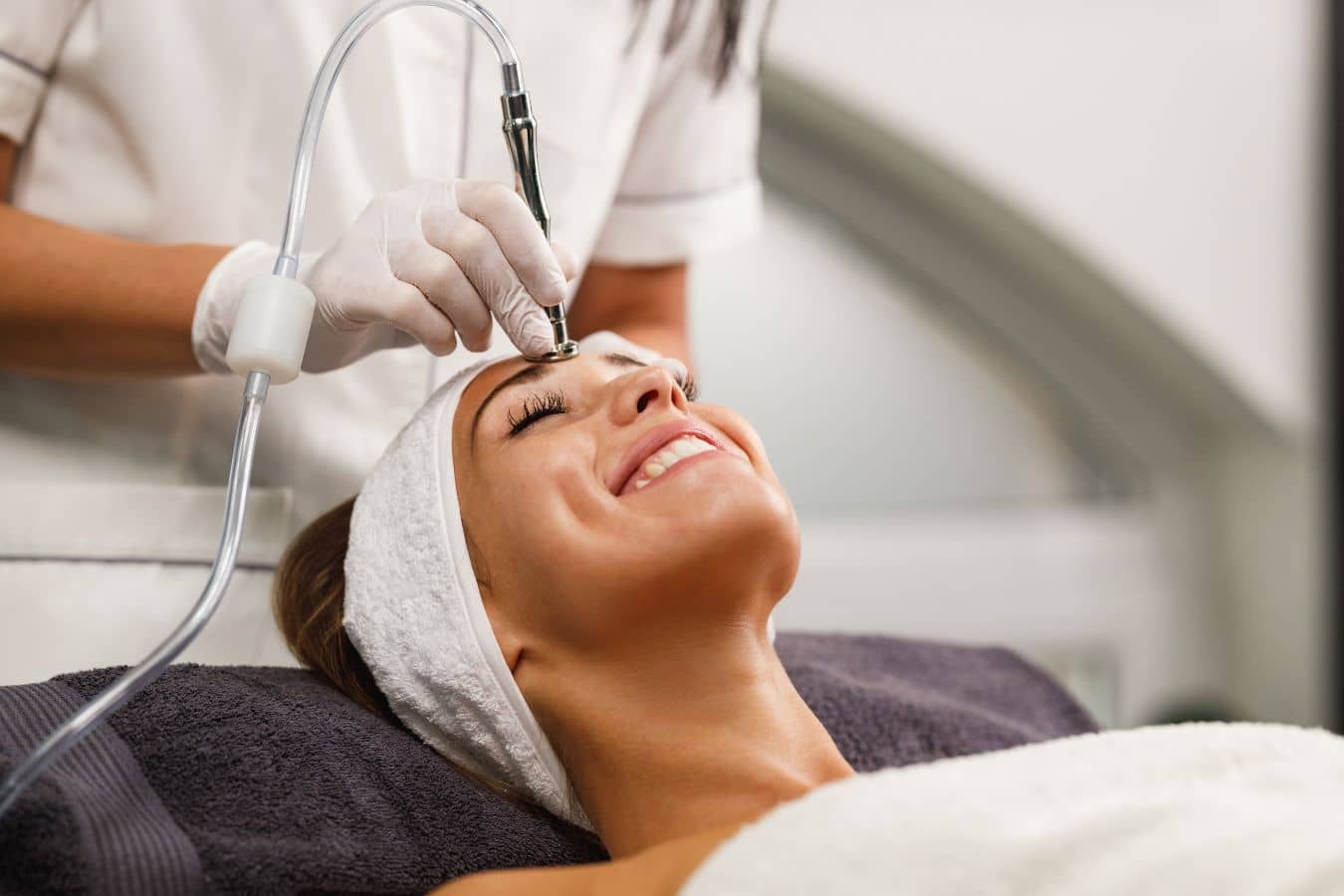
The procedure itself is straightforward. The skin is cleansed first, and then a device that emits tiny crystals is passed over the treatment area in a controlled pattern. Most sessions take around 30 minutes, occasionally a bit longer depending on the area being treated. There’s no anesthesia involved and most people find the sensation mild, something like a light scratching or buffing against the skin.
After the treatment, the skin may look slightly pink and feel a little sensitive, similar to a mild sunburn. This typically fades within a few hours. There’s no real downtime and most patients go back to their normal activities the same day. Sun protection is important immediately after treatment since freshly exfoliated skin is more sensitive to UV exposure.
For acne scars specifically, results are cumulative. A series of treatments spaced a few weeks apart is the standard approach. How many sessions you’ll need depends on the severity of the scarring, your skin type, and how your skin responds. This is best discussed during a consultation where a qualified esthetician or skin care specialist can evaluate your skin directly.
When to Consider Other Acne Scar Treatments
Microdermabrasion is a good starting point for mild concerns, but if your scarring is deeper or hasn’t responded to surface-level treatments, other options are worth exploring.
Chemical Peels
Chemical peels go deeper than mechanical exfoliation and can address more significant discoloration and texture irregularities. Superficial peels are closest in intensity to microdermabrasion, while medium and deep peels reach further into the skin for more pronounced results. They’re a strong option for patients dealing with acne marks, hyperpigmentation, and uneven tone.
Microneedling
Microneedling creates controlled micro-injuries in the skin that trigger a natural healing response, including new collagen and elastin formation. It can be an effective option for atrophic acne scars because it targets the deeper layers of the skin where those depressions originate. At our practice, microneedling may also be combined with Growth Factors Therapy to support healing and collagen growth. Multiple treatments are typically needed, but results for the right candidate can be significant.
Laser Resurfacing
Laser treatments reach even deeper and can resurface the skin more dramatically than either peels or microneedling. They tend to require more recovery time but produce more noticeable results for deeper scarring. The best approach depends on the specific types of scars present, skin type, and realistic goals, all of which can be discussed during a consultation.
CoolPeel® Laser Treatment
CoolPeel® is a CO₂ laser treatment designed to improve skin texture, tone, enlarged pores, sun damage, and acne scars with less downtime than traditional CO₂ resurfacing. It works by stimulating collagen and elastin production while minimizing heat-related recovery. For patients with acne scars who want a laser option but prefer a shorter recovery period, CoolPeel® may be worth discussing during a consultation.
The Safety of Microdermabrasion: Risks and Benefits

For most people, microdermabrasion carries very little risk. The potential side effects are mild: temporary redness, sensitivity, and very occasionally some dryness or flaking in the days after treatment. These resolve quickly on their own.
The safety of microdermabrasion is one of its advantages. It doesn’t require anesthesia, there’s no wound healing involved, and there’s no risk of the kind of complications associated with more invasive cosmetic procedures or surgery. Patients with eczema, rosacea, active acne, or compromised skin may not be good candidates, and this is something a qualified provider will screen for before proceeding.
Microdermabrasion can be effective for surface-level acne marks and mild texture concerns. For deeper scarring, it works best as part of a broader treatment plan rather than a standalone solution.
Schedule a Consultation for Clearer Skin in Cincinnati, OH
If you’re dealing with acne scars and not sure where to start, a consultation at Donath Facial Plastic Surgery in Cincinnati is a practical first step. The practice offers a full range of acne scar treatments performed by Dr. Donath and the practice’s qualified skin care team, including microdermabrasion, chemical peels, microneedling, and laser resurfacing, all of which can be discussed and compared based on your skin and your goals. Contact the office to schedule your appointment.
Frequently Asked Questions About Microdermabrasion for Acne Scars
About Dr. Alexander Donath
Dr. Alexander S. Donath is a double board-certified facial plastic surgeon and 6th generation physician leading Donath Facial Plastic Surgery in Cincinnati, OH. Internationally recognized for his expertise in facial cosmetic surgery, Dr. Donath is regularly invited to present his techniques at aesthetic surgery conferences around the world. Dr. Donath and his team offer surgical, non-surgical, and skin care treatments designed to improve skin quality, address cosmetic concerns, and help patients feel confident in their appearance.